

From unseen to unstoppable

Africa’s creative economy is at an inflection point. Creativity is a vital skill that drives innovation, income, social and cultural intelligence. It’s also fluid – crossing borders, sectors and experiences.

In 2025, the Creative Futures Africa Summit opened a progressive conversation that identified 11 strategic priorities that could take the African creative economy from unseen to unstoppable. Summit 2026 carried that work forward in Johannesburg. The conversation continues through thought leadership, research and the summit archive.

11 Strategic Priorities to Unlock Africa’s Creative Economy

  1. Investment readiness and disbursement Billions have been committed to the creative industries but the pipes between capital and creative businesses are narrow. Financial institutions need frameworks to value creative assets and enterprises need the support to become investable.
  2. Intellectual property as capital IP must stay with creators and be treated as a financeable asset. That means education from school level, real enforcement, workable AfCFTA rules of origin and valuation expertise that lets rights serve as collateral.
  3. Intra-African trade and mobility Pan-African markets deserve priority over habitual orientation towards Europe and the United States, with intra-African exports projected to rise 109% under full AfCFTA implementation. Visa liberalisation, cultural passports and co-production treaties are what unlock it.
  4. Digital infrastructure for African contexts Connectivity built for how the continent actually works: offline capability, African-language platforms and African-owned distribution systems that are globally connected but capture value locally.
  5. A unified African voice on AI governance As AI reshapes creative production, there is a narrow window to embed African positions on accountability, IP compensation, data sovereignty and cultural integrity into the frameworks being written now.
  6. Data sovereignty African creative content feeds international platforms without the value or the insight flowing back. Building African-owned data infrastructure is an economic justice issue, not a technical one, and closing the data gap directly confronts the ‘Africa Premium’ on borrowing costs.
  7. Creativity as a network, not a value chain Creative economies run on multidirectional flows of financial, social, cultural and data capital. This is why the priorities interlock: IP protection depends on data sovereignty, digital infrastructure depends on AI governance, and none of them work in isolation.
  8. Intermediary infrastructure Trusted organisations that can convene government, business and creatives, translate between their languages and hold the sector’s voice together across the many ministries that creative policy is scattered through.
  9. Cross-sector collaboration The creative economy’s multi-sectoral sprawl is an asset rather than a governance problem. Coordination that allows productive friction between sectors generates solutions that no single owner could reach alone.
  10. Eco-cultural climate action Ecological restoration and creative development pursued together, through bio-design, regenerative materials and Indigenous knowledge. Mushroom-based materials and plant-derived textiles position African practice as globally relevant, with climate finance as the route to scale.
  11. Creative wellness and labour recognition Creative wellness and labour recognition deserve attention as economic infrastructure, not social amenities. The absence of insurance products for creative workers, combined with a lack of standard labour protections, risks losing talent through burnout whilst undermining the sector’s long-term economic potential.

Voices Behind CFA

The creative economy is not peripheral to Africa’s growth story - it is part of its economic future. Creative Futures Africa brings creativity, capital and leadership into the same room to unlock that opportunity.

Beth Arendse

CEO, Business and Arts South Africa

View profile

Beth Arendse is a visionary leader, social innovator and entrepreneur with more than 25 years of experience shaping South Africa’s creative economy. She is the Chief Executive Officer of Business and Arts South Africa (BASA), where she is leading a new strategic phase that positions the arts as both a cultural force and an investable sector contributing to inclusive economic growth.

Beth holds a Master of Philosophy (MPhil) in Inclusive Innovation from the University of Cape Town’s Graduate School of Business, as well as a BMus(Hons) in Music Communication and a National Diploma in Jazz Studies. Her work sits at the intersection of creativity, business and innovation.

She is the founder of several initiatives focused on developing creative talent and enterprise, including the Tshwane School of Music, the SA Creative Industries Incubator (SACII) and the Music Business Lab (MBL). These platforms have supported hundreds of emerging creatives and entrepreneurs, helping to build sustainable businesses and market-ready talent across the creative industries.

Her work also extends into national policy and innovation. Beth served on the Presidential Commission for the Fourth Industrial Revolution and is a member of the National Advisory Council on Innovation, contributing to strategies that connect creativity, technology and economic development.

With expertise spanning arts education, enterprise development and creative sector innovation, Beth advocates for greater access, equity and sustainability across the cultural and creative industries. Her work is grounded in a belief that creativity is central to South Africa’s social and economic future.
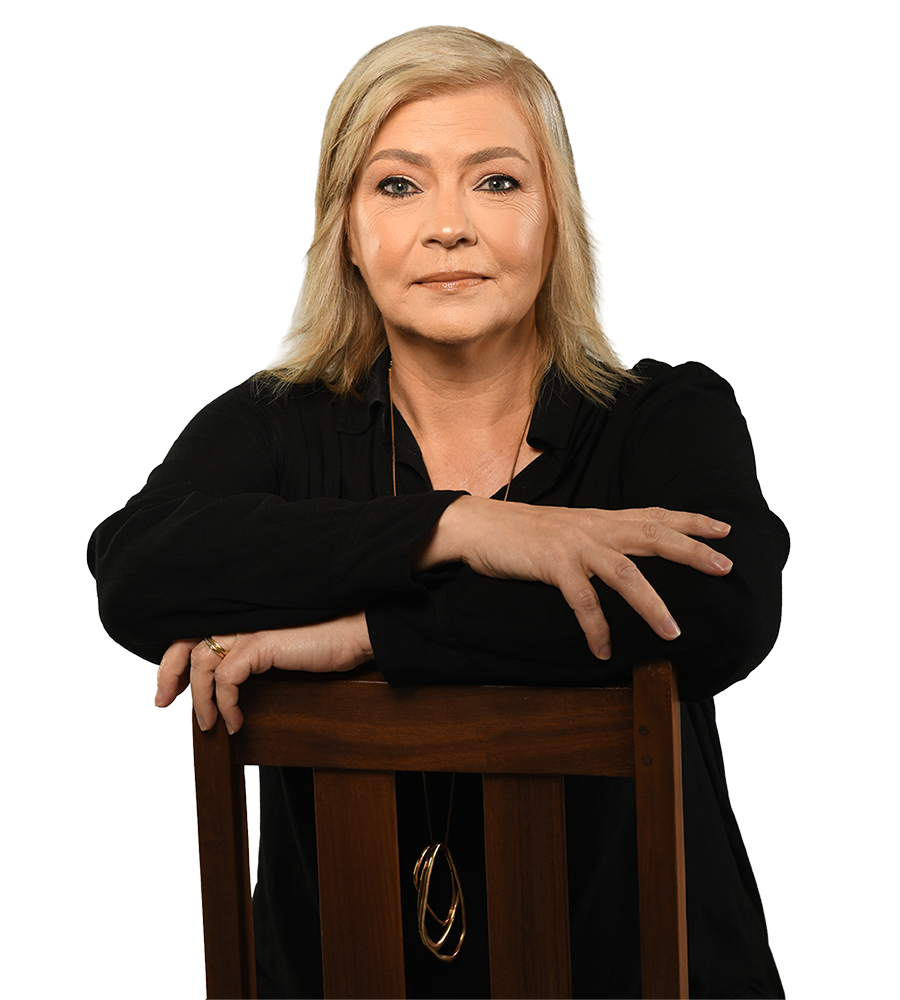
Beth Arendse
Beth Arendse

Inclusive, place-led transformation, bringing heritage, infrastructure, tourism and creative expression together.

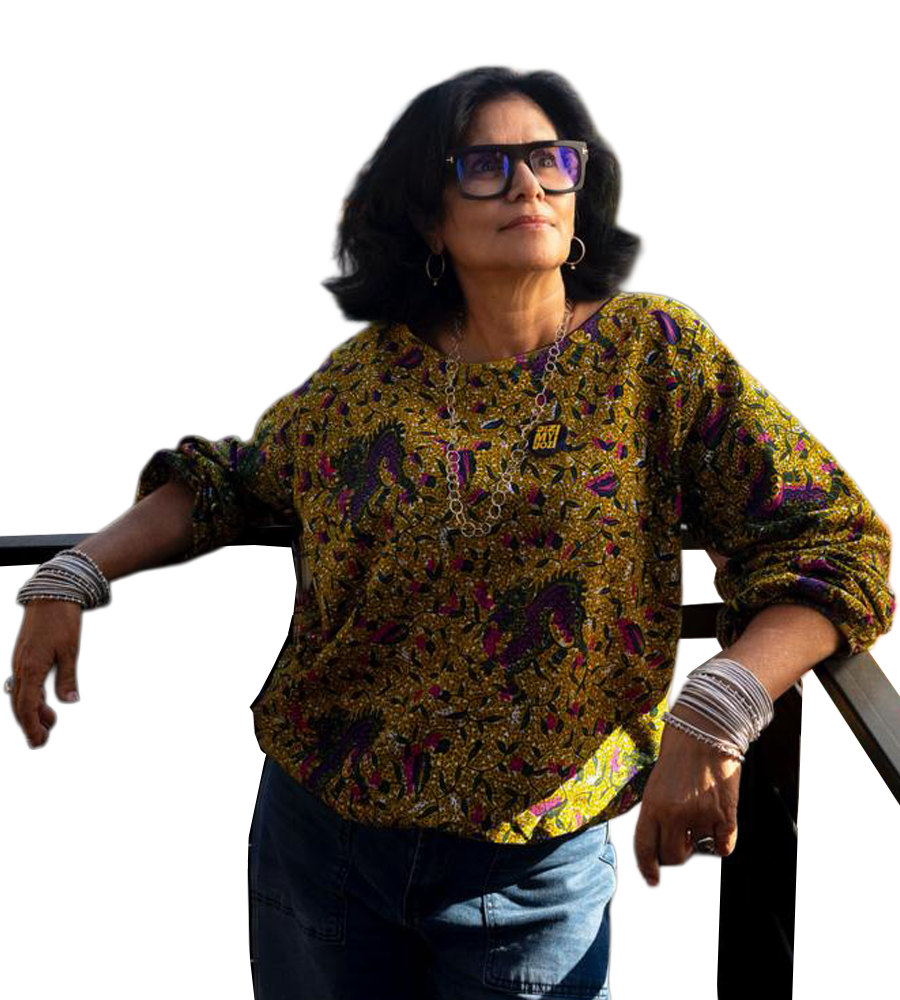
Dawn Robertson

Tourism & Creative Economy Catalyst, Jozi My Jozi

View profile

Dawn Robertson is a leading figure in South Africa’s culture, heritage, tourism and urban innovation sectors. She currently serves as Tourism & Creative Economy Catalyst for Jozi My Jozi, a movement launched in 2023 to revitalise Johannesburg’s inner city through partnerships across the public, private and community sectors.

In this role, Dawn leads the G20 Summit workstream under Jozi My Jozi, shaping how Johannesburg can leverage this global platform to strengthen its position as Africa’s Creative Capital. Her work brings together tourism, creative enterprise, investment and inclusive urban development, while spotlighting the people, places and stories that shape the city.

She also stewards major visitor economy initiatives, including #JoziMyJoziWalks, a series of community-led walking tours across Johannesburg neighbourhoods that bring together heritage, food, art, local entrepreneurship and citizen stories to shift perceptions and build inner-city pride.

Previously, Dawn served as CEO of Constitution Hill, where she reimagined the precinct as a people-centred heritage and cultural hub. She also led the Gauteng Tourism Authority from 2010 to 2015, managed the CreateSA initiative and played a coordinating role in the Gauteng 2010 FIFA World Cup Technical Task Team.

Across her career, Dawn has worked at the intersection of government, heritage, arts and culture, tourism and community development. Her work is grounded in a commitment to inclusive, place-led transformation, bringing heritage, infrastructure, tourism, safety, education and creative expression together to create vibrant urban experiences.

She continues to champion approaches that shift narratives, build civic pride and unlock economic potential through social collaboration, creative innovation and stronger connections between people and place.

Dawn Robertson

Dawn Robertson

Africa’s creative economy already has the talent. The work is to make the data, policy and markets match it.

Lonwabo Mavuso

Executive Director, Andani.Africa

View profile

Lonwabo Mavuso is a strategist specialising in Africa’s cultural and creative industries, with more than a decade of experience spanning non-profit organisations, government and the private sector. His work has taken him across South Africa, Zambia, Zimbabwe, Mozambique, Ethiopia and Malawi, leading research and advisory projects focused on the growth and development of creative economies.

His expertise spans public-private partnerships, private sector investment in the creative industries, cultural policy development, market research and cultural tourism.

As co-founding Executive Director of Andani.Africa, Lonwabo has led a range of high-impact research and strategy projects, including the Europe–Southern Africa CCI Collaboration for the European Union, Creative Markets Research for the British Council, research into private sector investment in Ethiopia’s creative industries, and studies on youth engagement in Southern Africa’s radio and creative sectors for Arterial Network and the British Council.

His work has also included digital collaboration research for the Go Digital project, a feasibility study for the Resistance and Liberation Movement Museum for the Department of Sport, Arts and Culture, and an assessment of South Africa’s digital creative economy for the Goethe-Institut.

Lonwabo’s career includes leadership roles at Business and Arts South Africa, South African Tourism and Wits University’s Drama for Life Department. He is also a co-founder of the Bafundi Film and TV Festival, established in partnership with the South African Broadcasting Corporation, Gauteng Film Commission and National Film and Video Foundation.

His work is driven by a belief in the power of the cultural and creative industries to contribute to economic growth, social development and more inclusive opportunities across Africa.

Lonwabo Mavuso

Lonwabo Mavuso

Investment only works when culture and capital are in the same room.

Ninel Lara Musson

CEO, Clout SA

View profile

Ninel Lara Musson is a seasoned entrepreneur, culture investor and ecosystem builder, currently serving as CEO of Clout SA. With extensive experience across the creative industries, she works at the intersection of culture, investment, entrepreneurship and business development, with a focus on building sustainable pathways for African creatives and creative enterprises to thrive.

As co-founder of an award-winning independent record label, Ninel has invested in and developed the careers of some of Africa’s celebrated artists, with recognition including South African Music Awards, MTV and BET Awards. Her approach to culture investment combines commercial acumen with a deep commitment to artistic excellence, talent development and cultural preservation.

Recognising critical skills gaps within the creative sector, Ninel established the Music Business Lab, one of Africa’s pioneering university-certified music business programmes, equipping emerging artists, industry professionals and entrepreneurs with the knowledge and skills needed to build sustainable careers and businesses.

Ninel has served as Deputy Chairwoman of the Recording Industry of South Africa (RISA) and has been nominated as a Fellow of the Aspen Leadership Initiative within the Aspen Global Leadership Network. Her work has been featured on platforms including BBC World and MTV Base, and she has designed and curated high-level conferences across Africa and internationally, bringing together entrepreneurs, practitioners, investors and policymakers.

Through her work across business, culture and creative industries, Ninel advocates for strategic investment, education and collaboration as tools for strengthening Africa’s creative economy and unlocking its potential as a driver of economic transformation.

Ninel Lara Musson

Ninel Musson